INTRODUCING

STETSON: AMERICAN ICON

Spanning 320 pages, our first-ever coffee table book brings together 160 years of history, innovation, craftsmanship, and culture in one collectible volume. With contributions from a range of leading figures and longtime Stetson fans, it’s the definitive story of our brand, from West to East, and America to the world.
Available now in a deluxe slipcase edition, exclusive to Stetson.com

EXPLORE THE BOOK

In the introduction, celebrated historian Douglas Brinkley chronicles the Stetson story, from John B. Stetson’s early days as a trailblazing entrepreneur and community leader to the company’s current global reach.
“Stetson on Screen” captures the brands greatest moments in film and on TV.
“You put on the right hat, and you somehow feel taller,” writes legendary musician Lyle Lovett in his intro to the music chapter, “Stetson in Song.”
Cultural figures from Bruno Mars and Beyoncé to Post Malone and Martin Scorsese weigh share their love of the brand and what it represents.
“The Art of Stetson” captures more than a century of Stetson’s appearance on canvases—and heads—of some of the world’s greatest talents, from Warhol and O’Keefe to modern-day names like Logan Maxwell Hagege, Drew Christie, Jon Flaming, and Bella McGoldrick.
The Icons series celebrates the hats that build the brand, from the Tom Mix to the Open Road.

PARTY REPORT

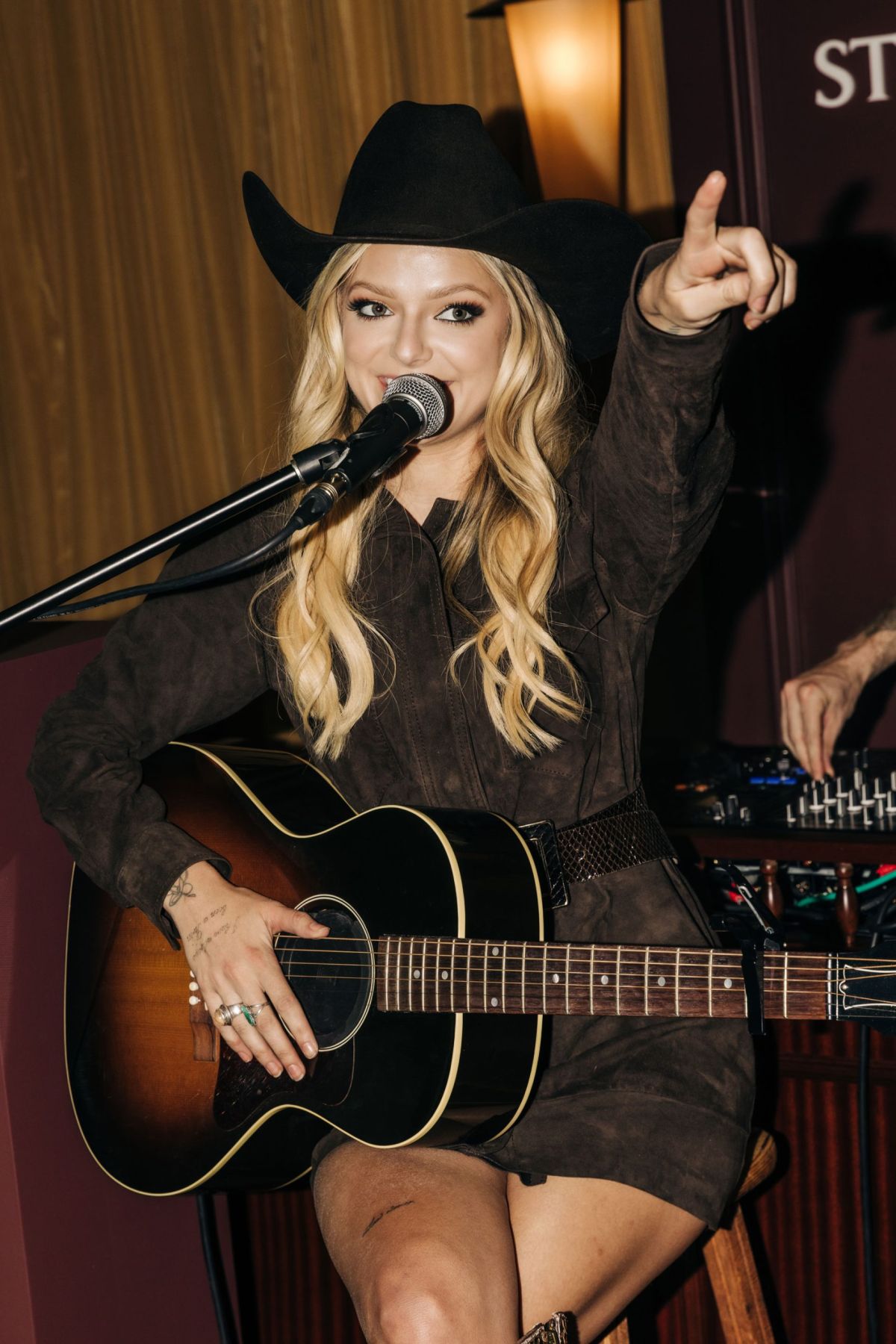
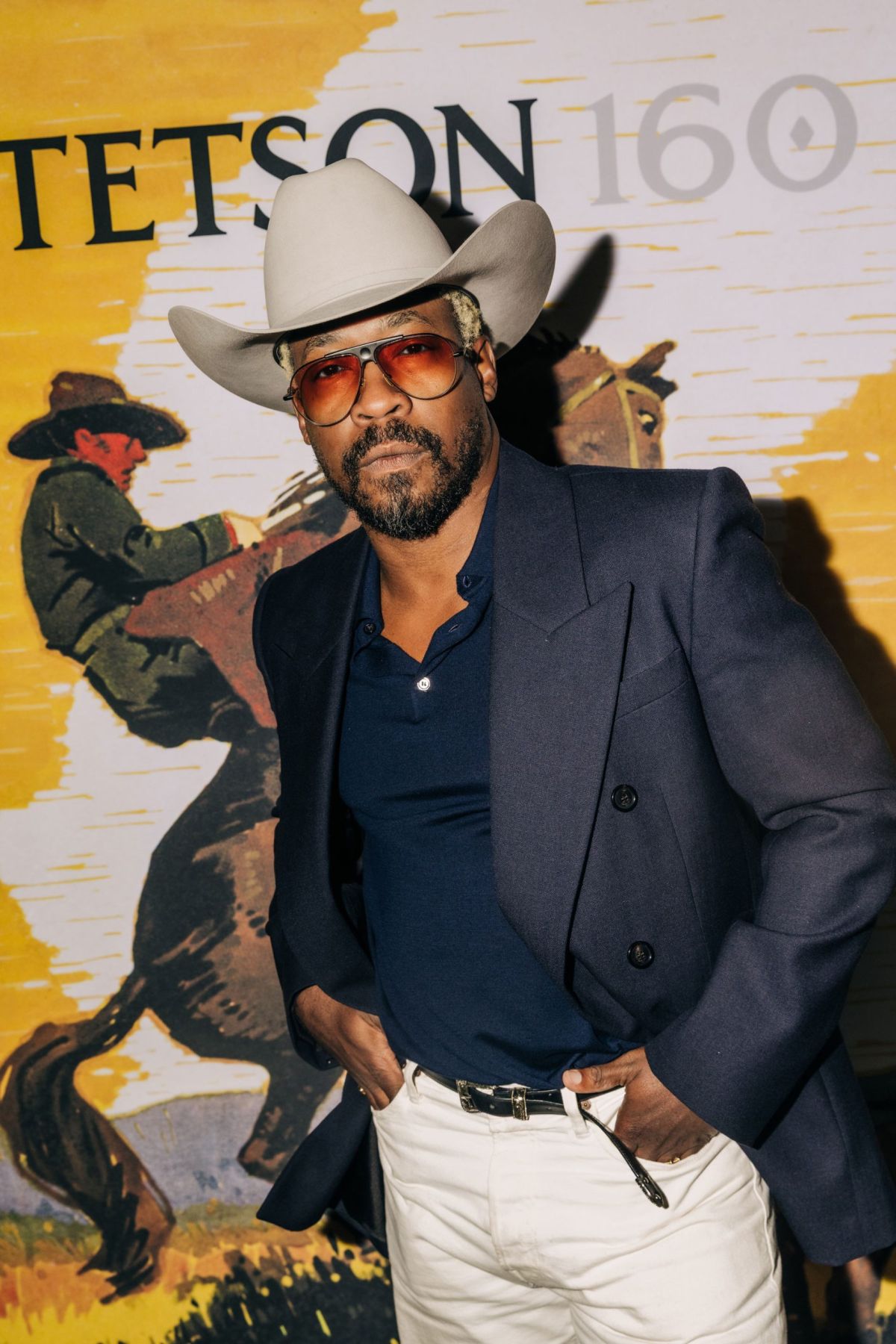
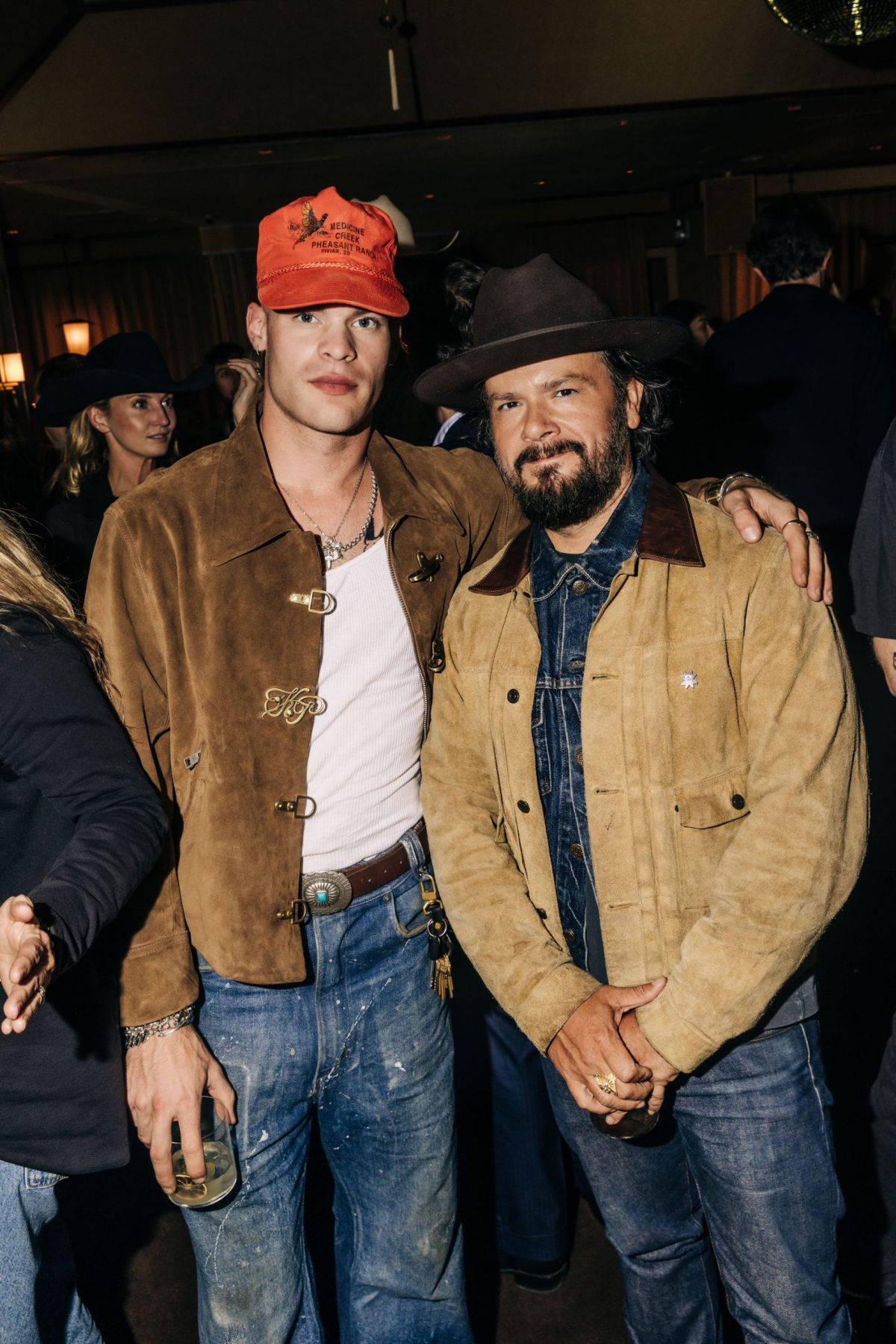
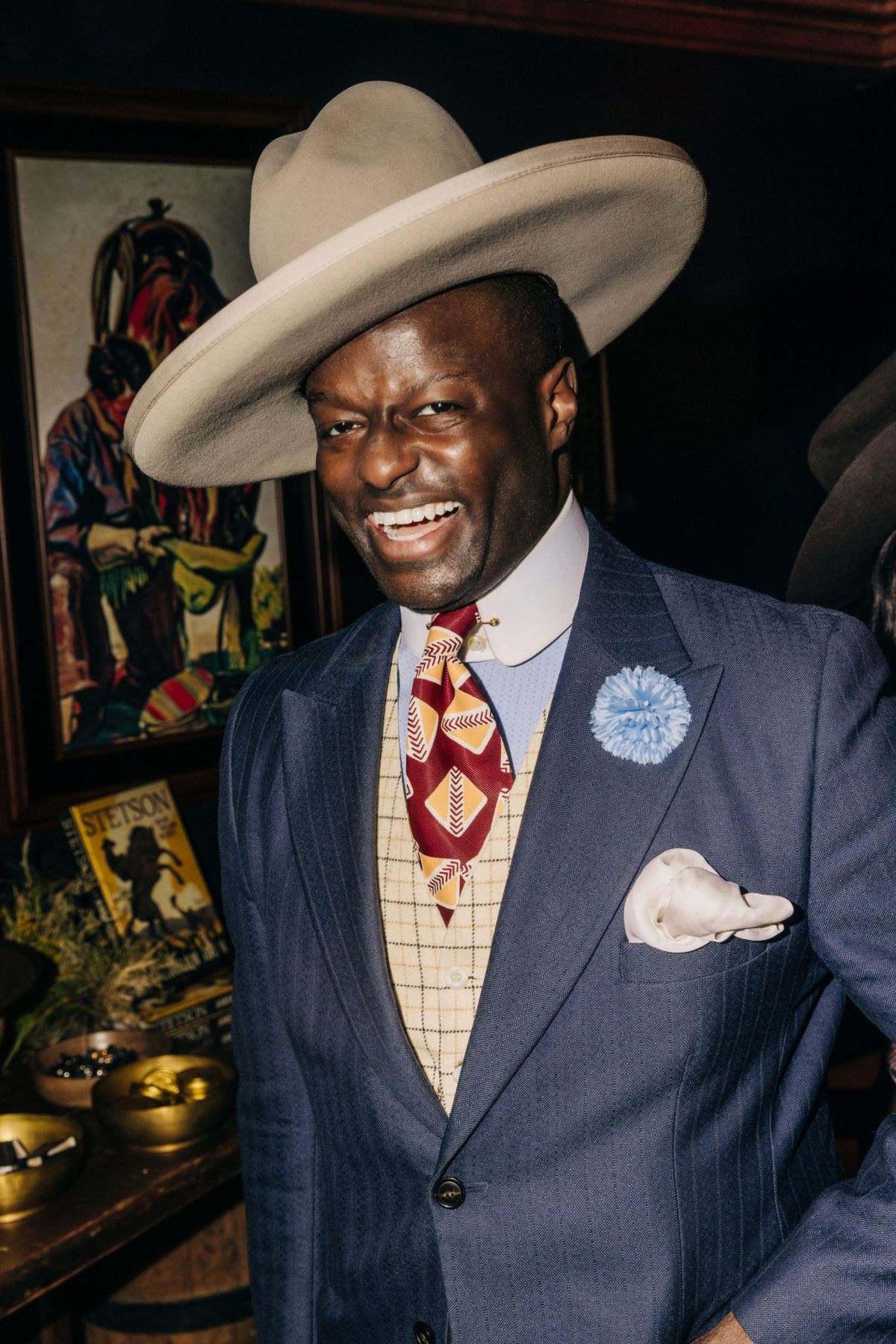
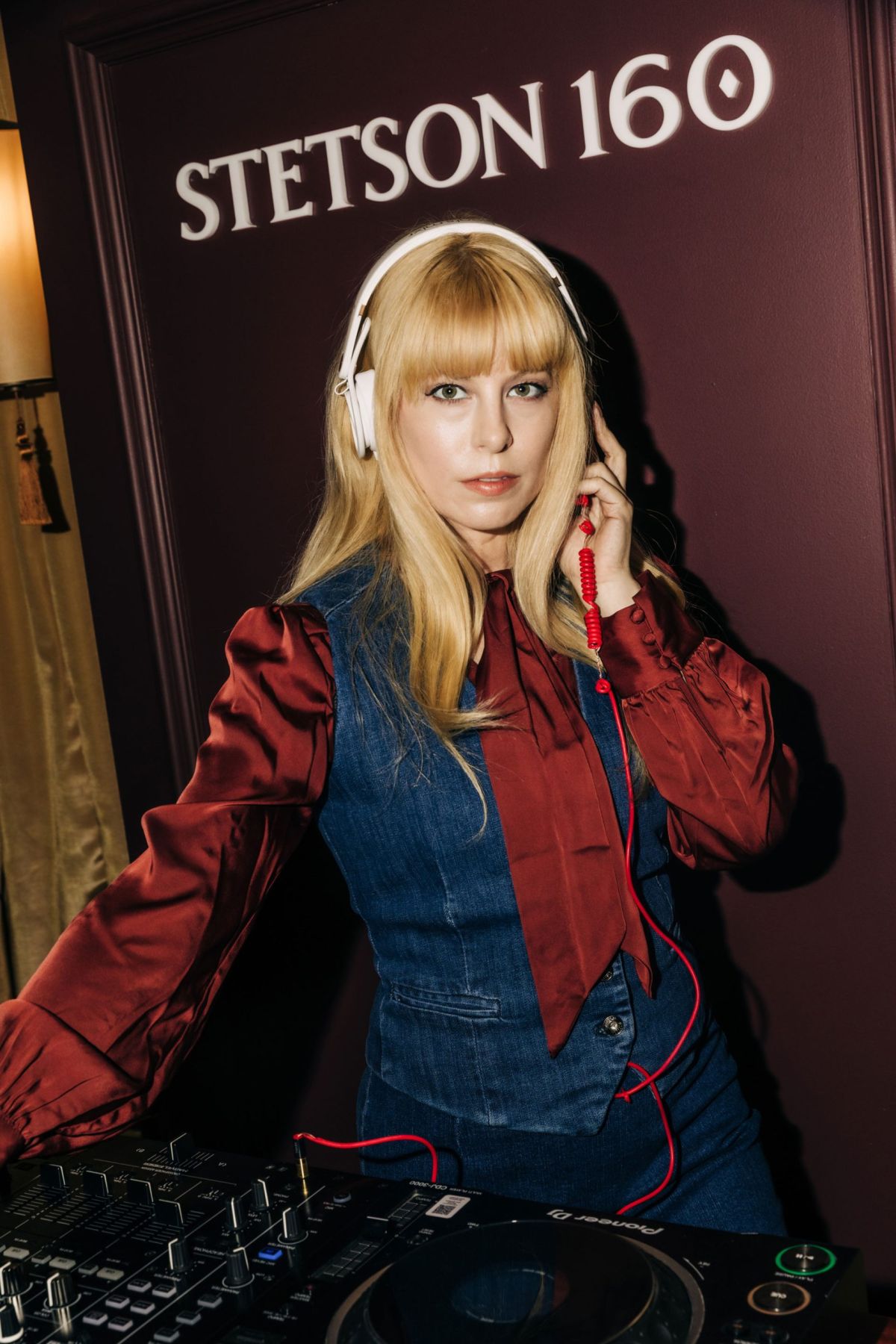
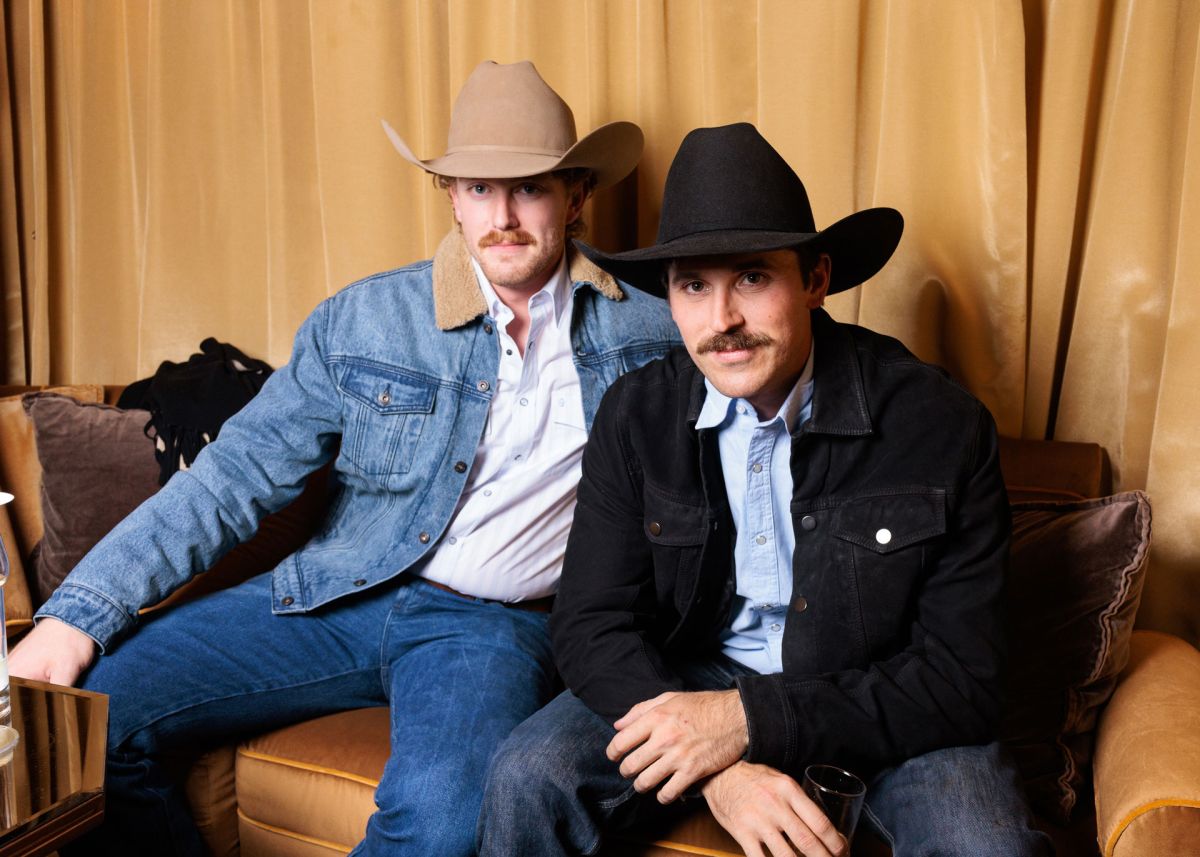
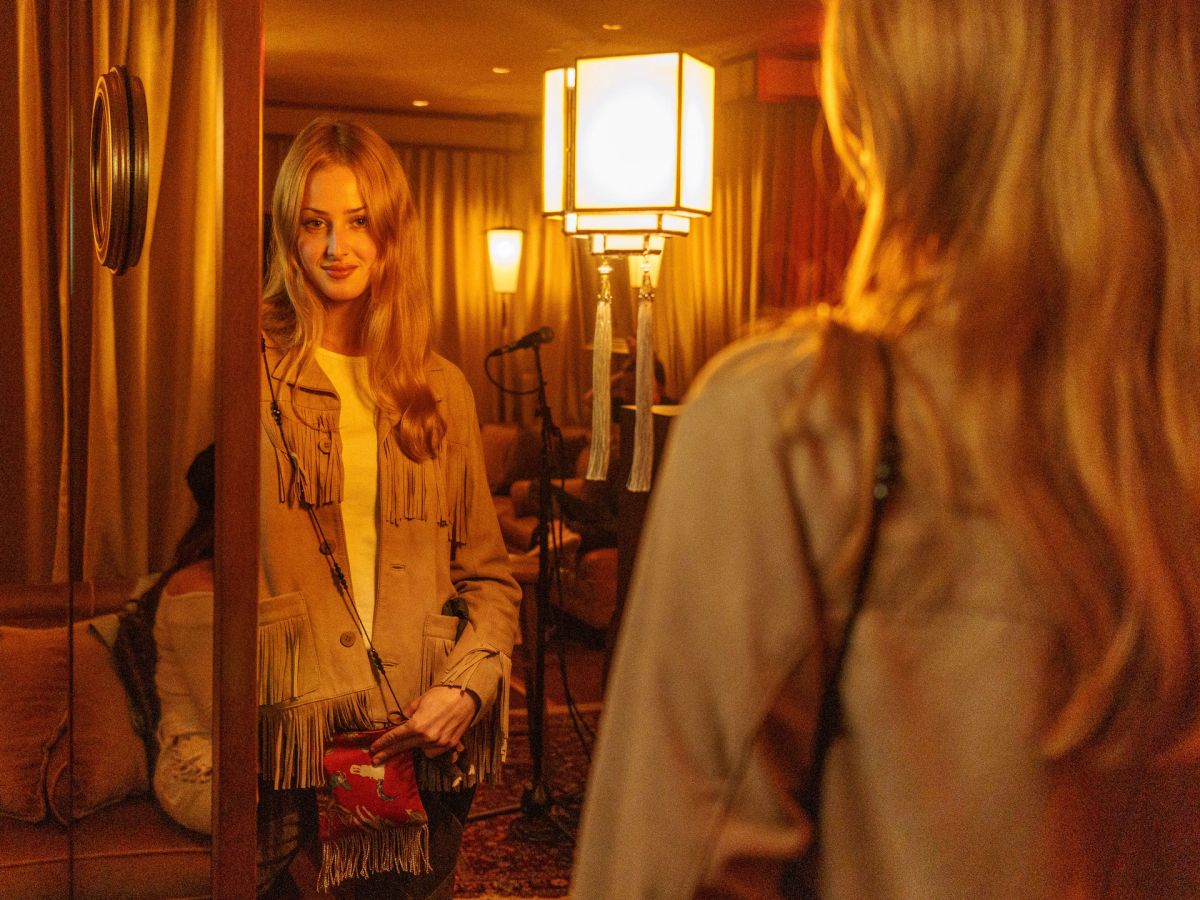
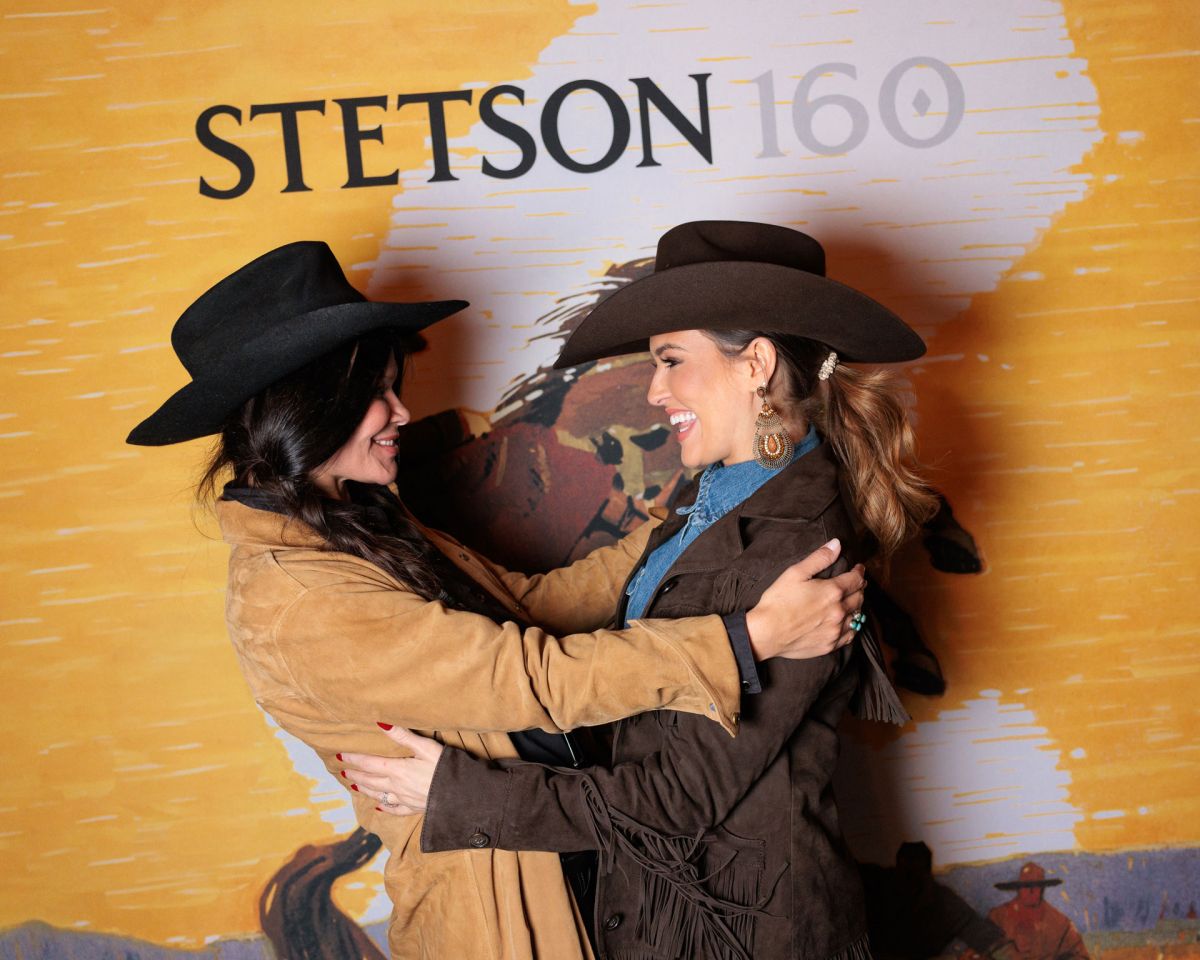
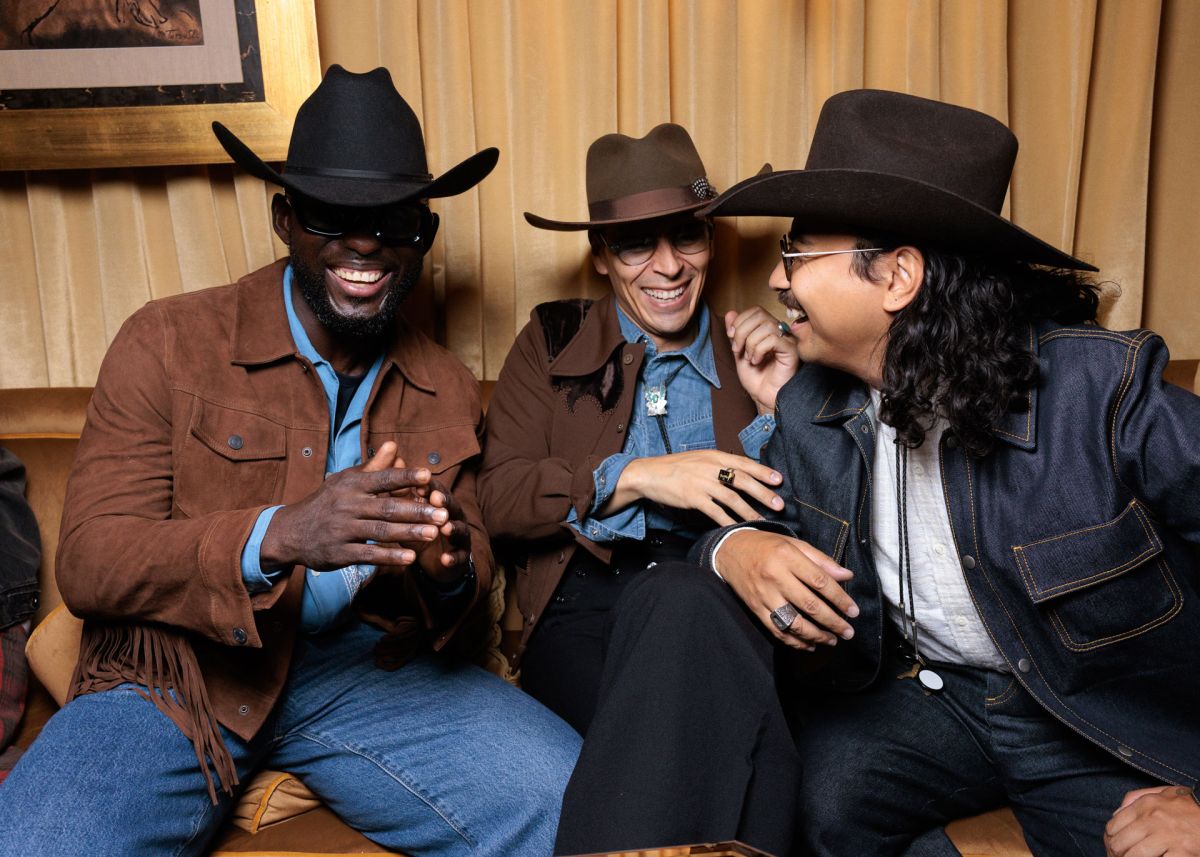
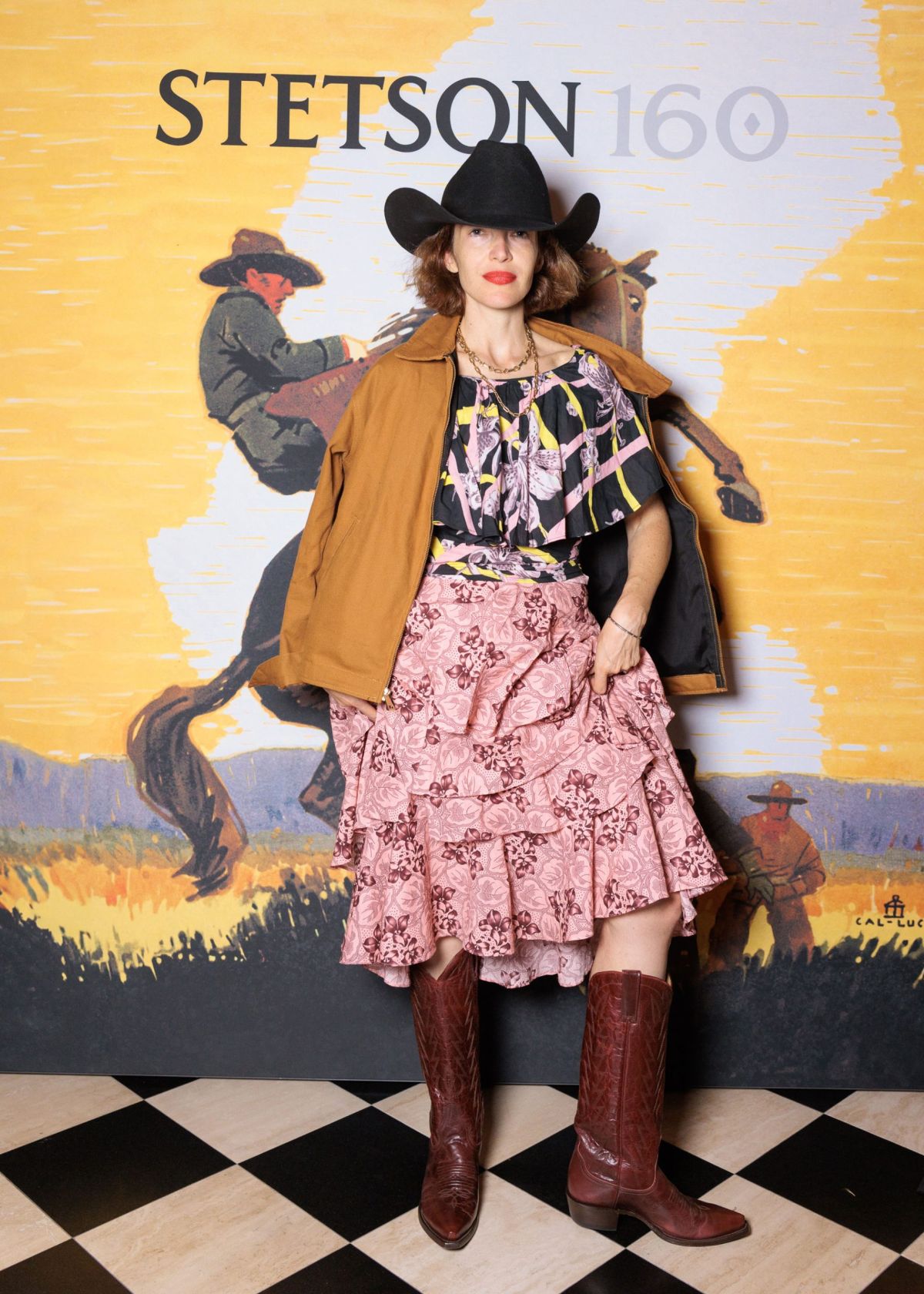
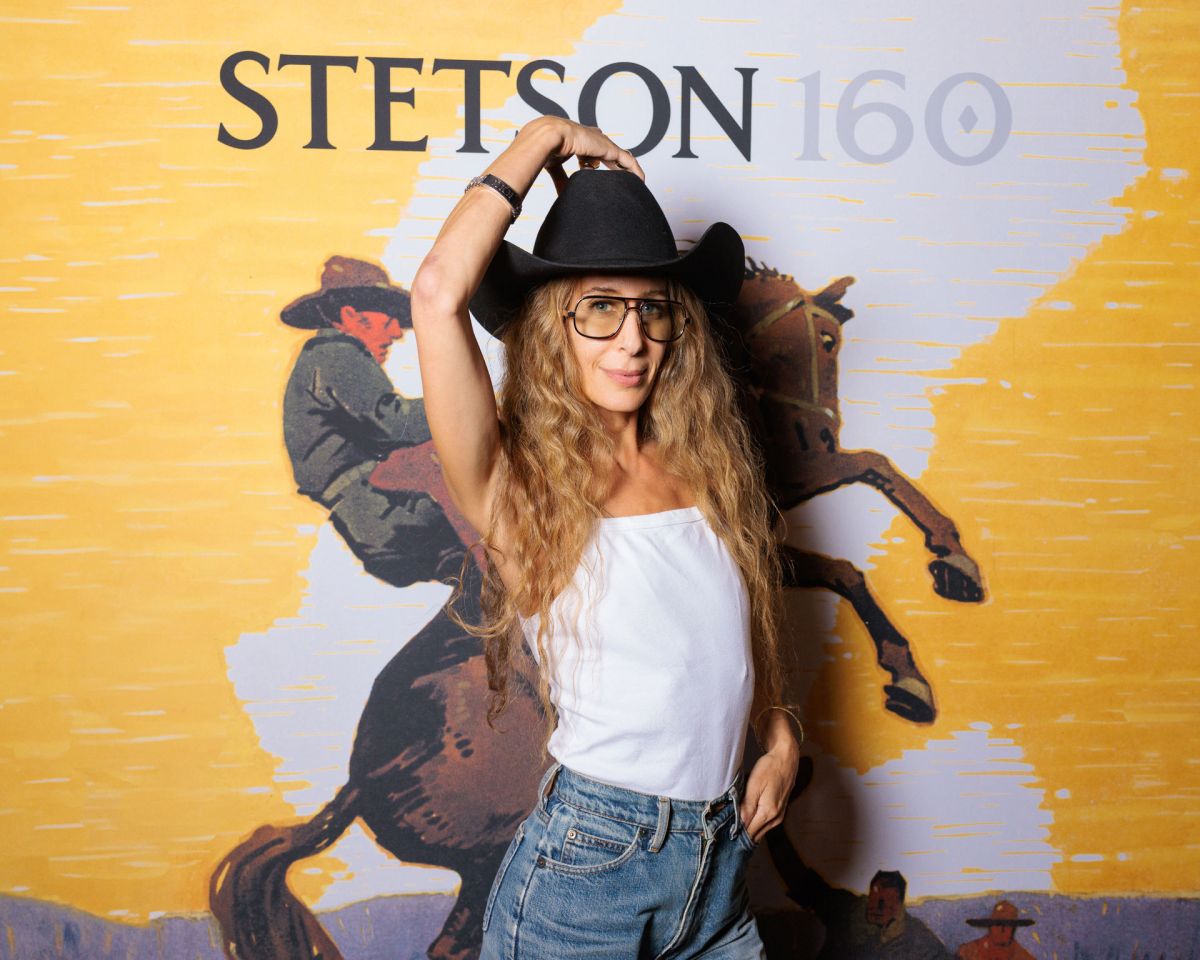
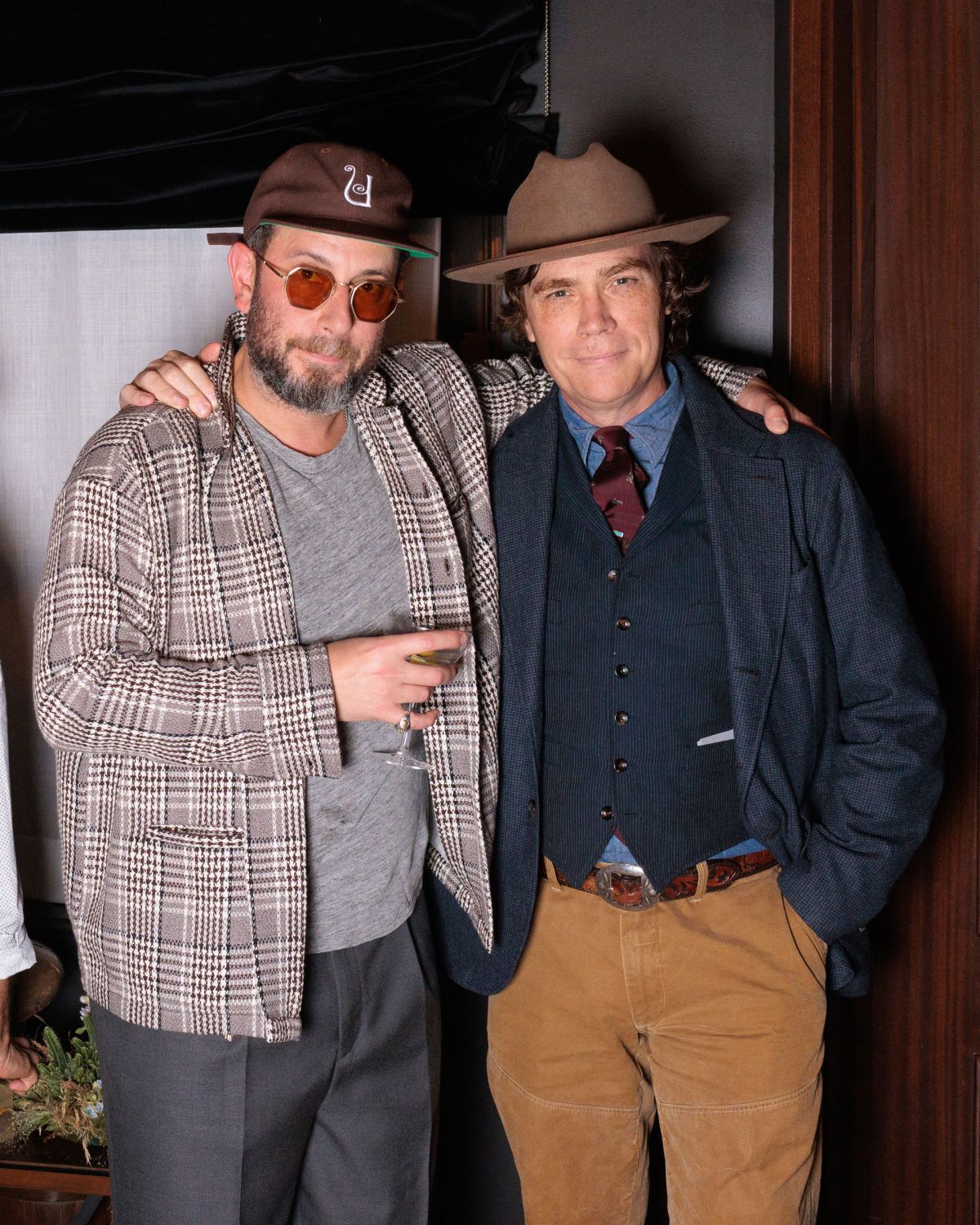
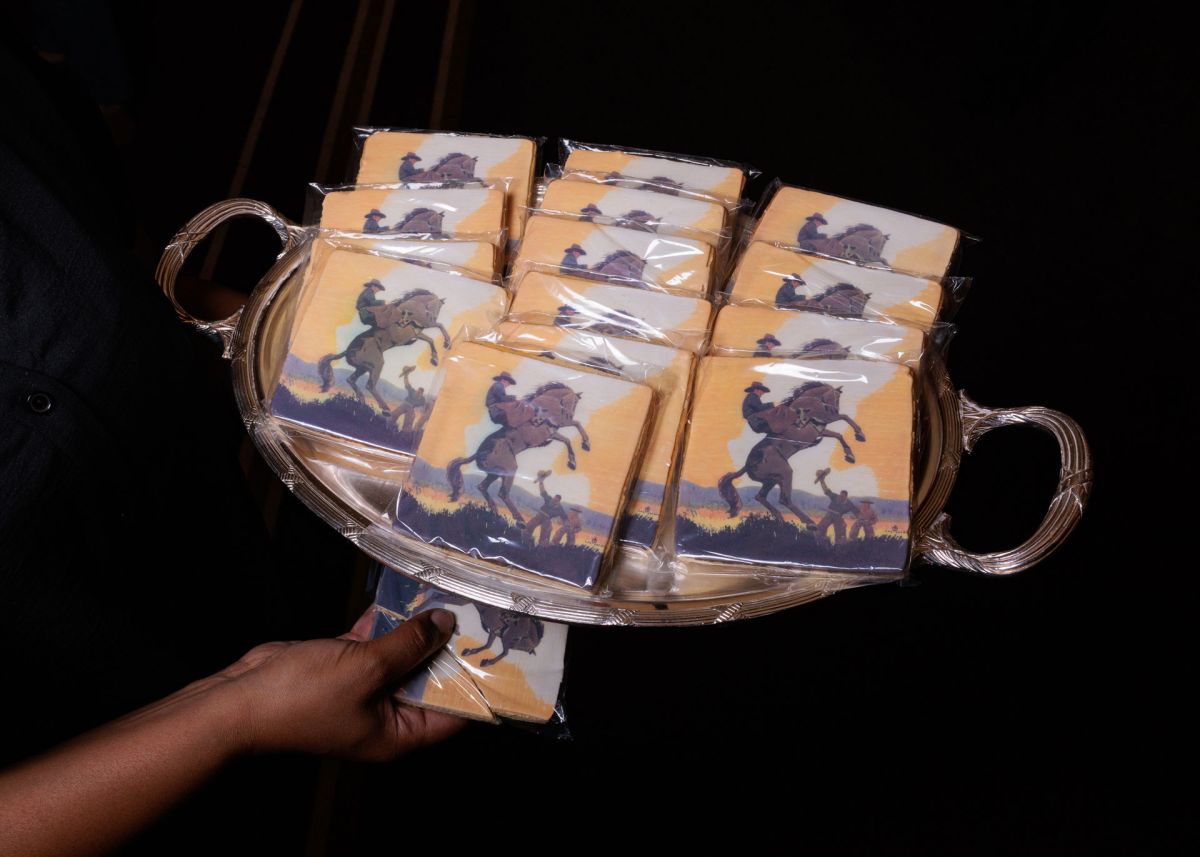
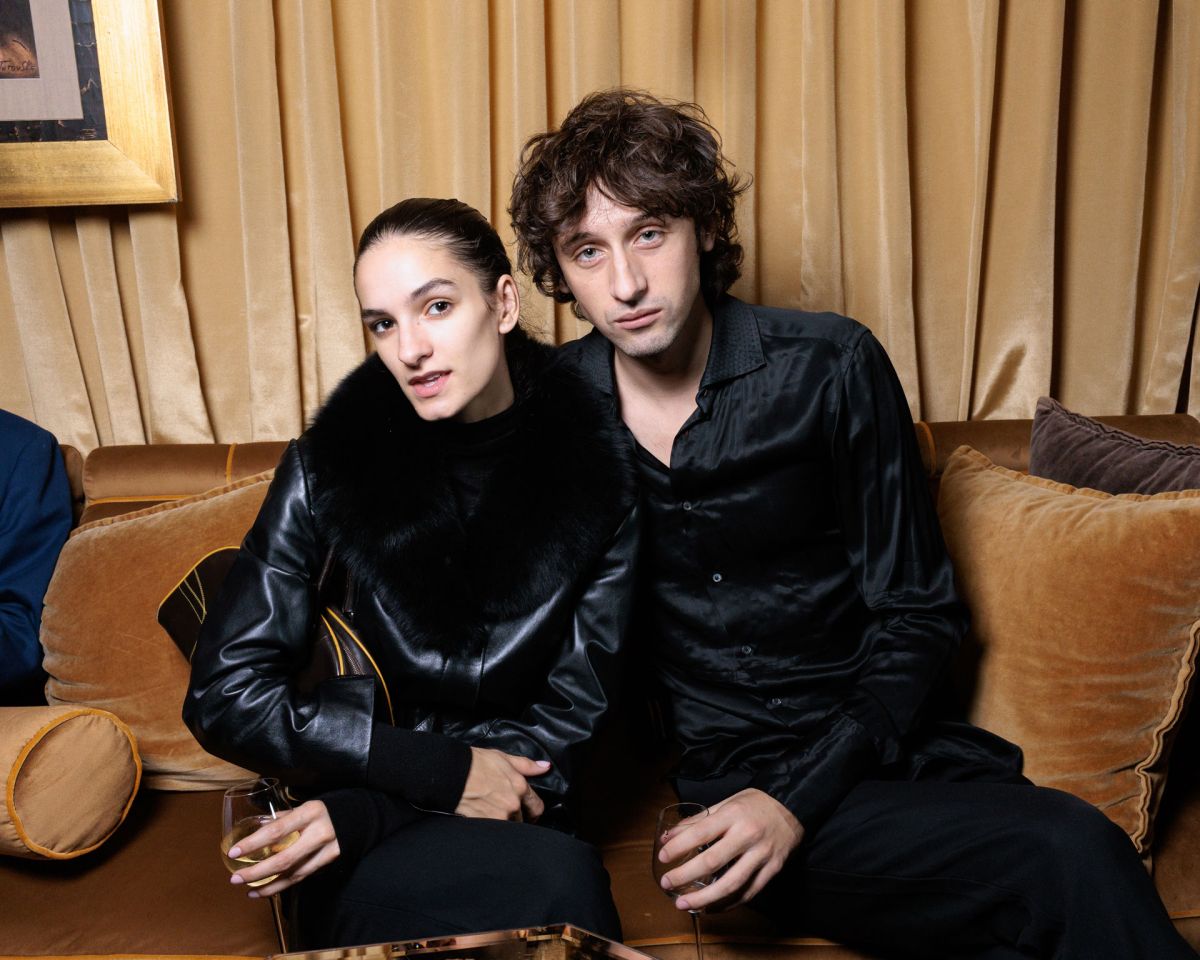
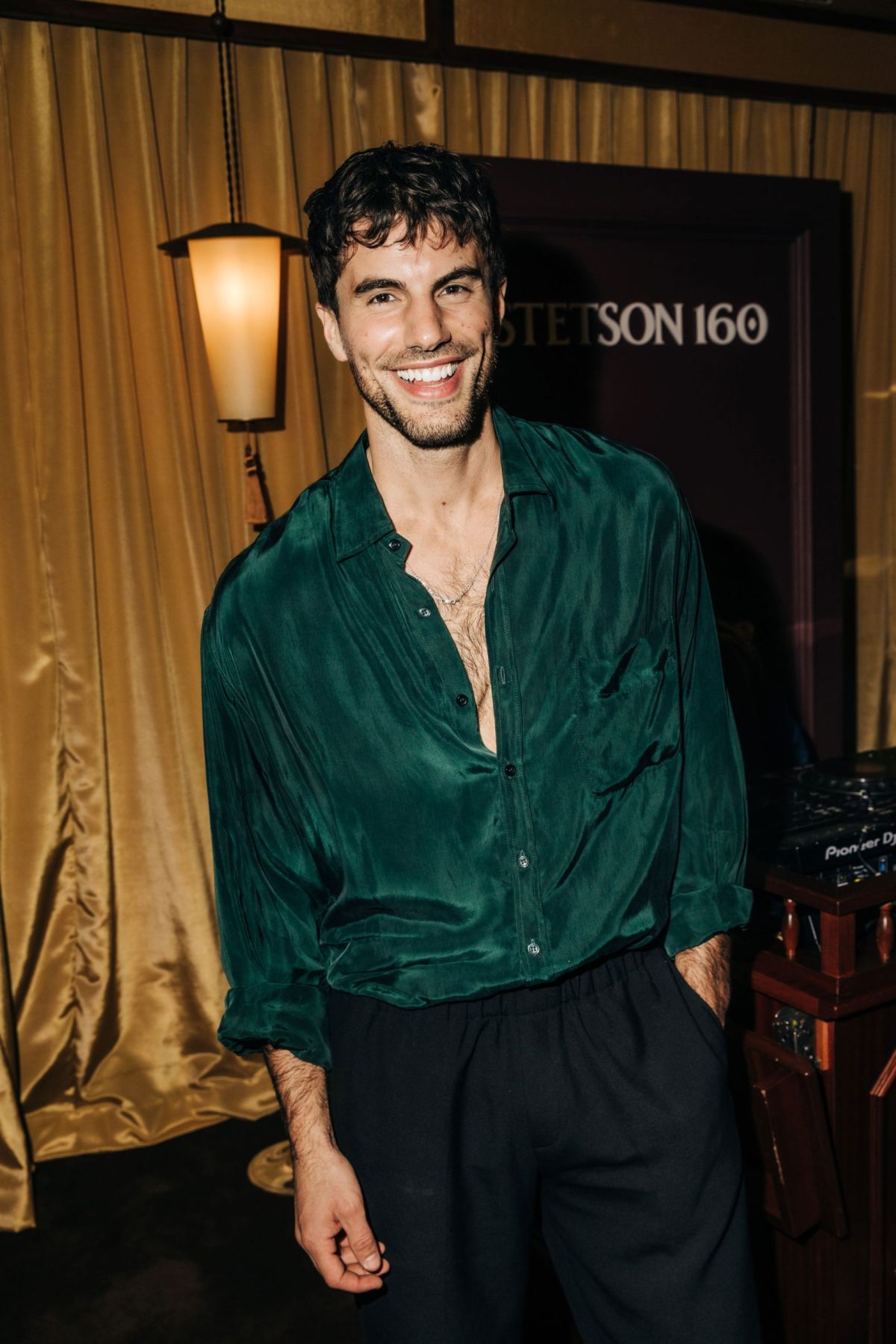
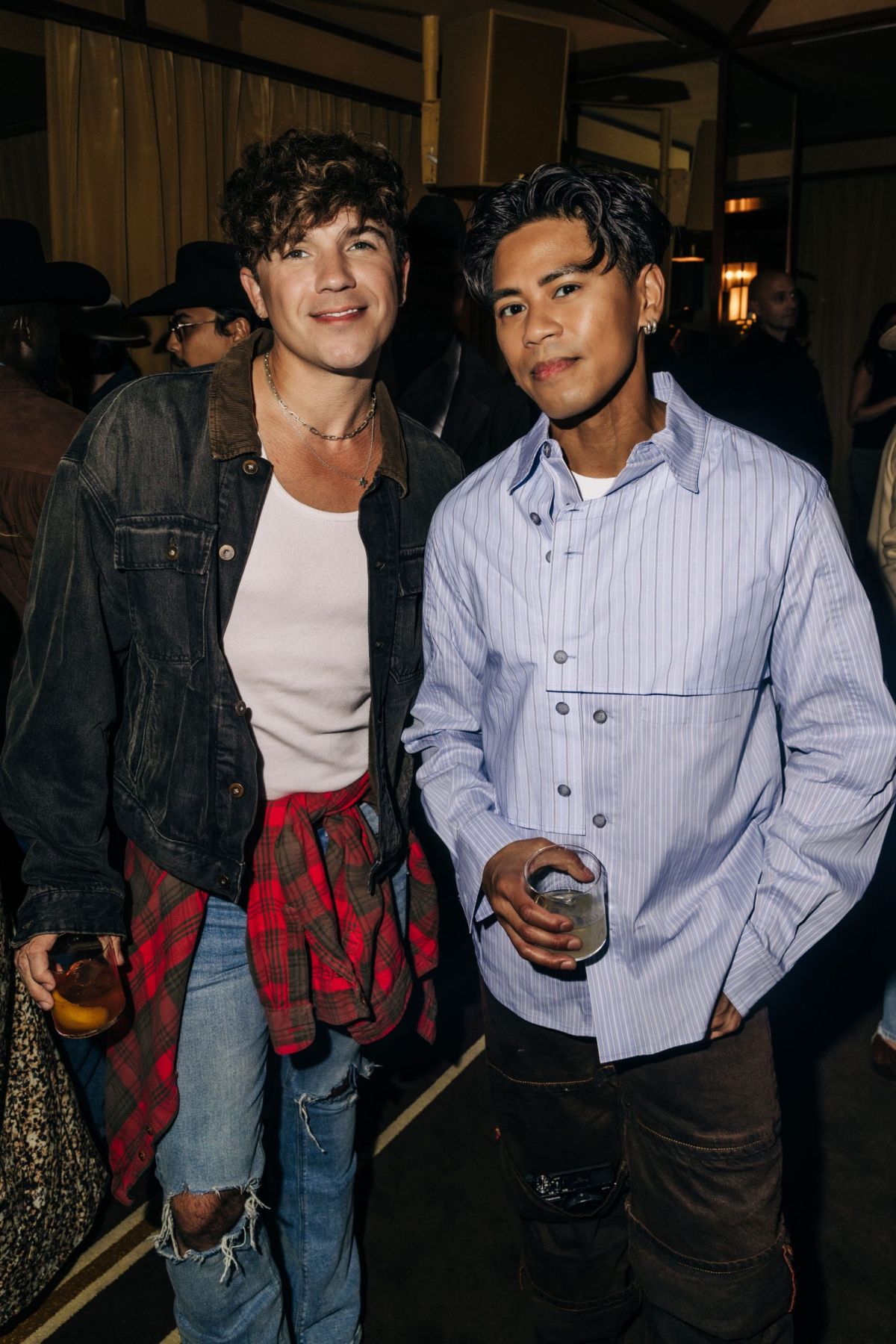
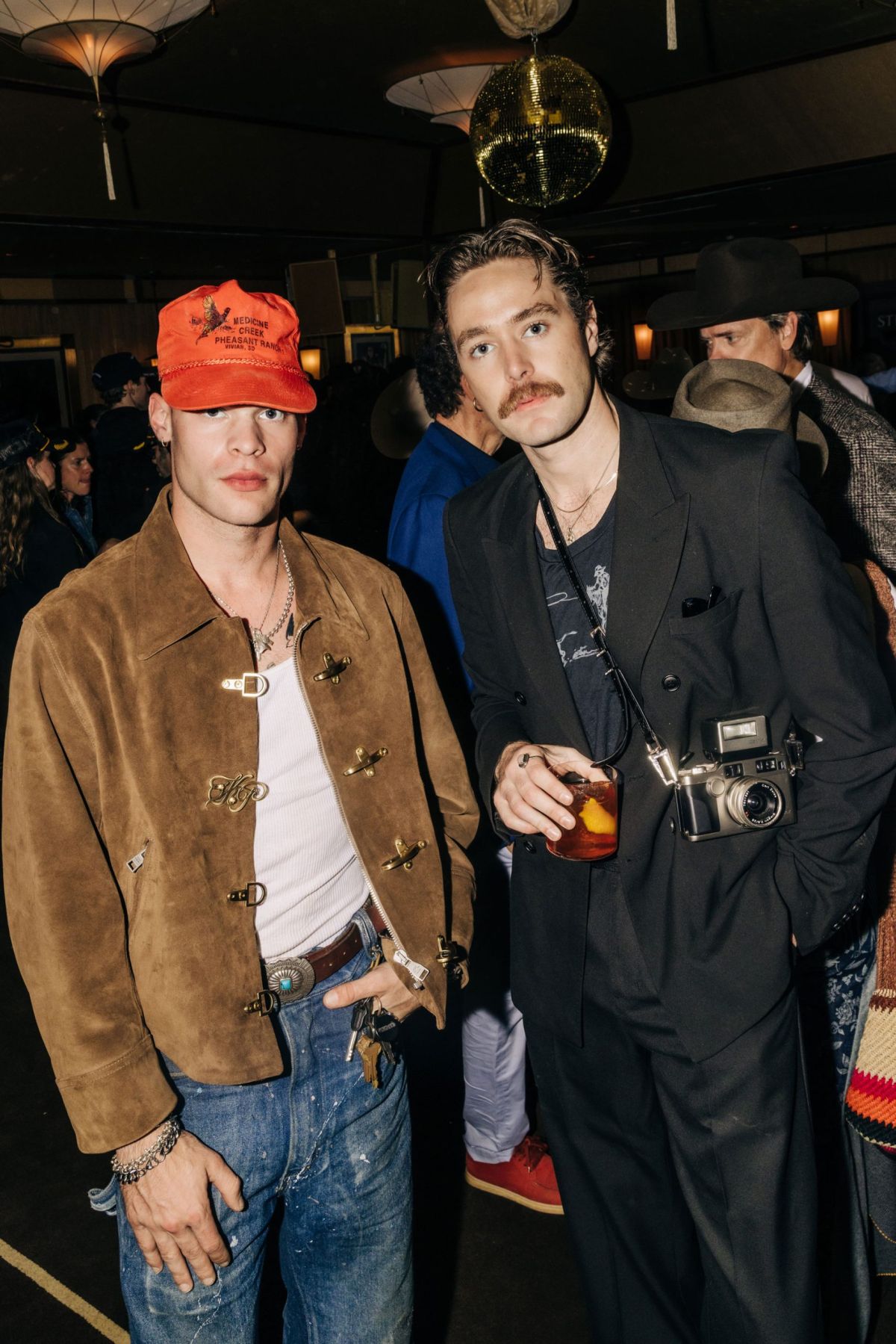
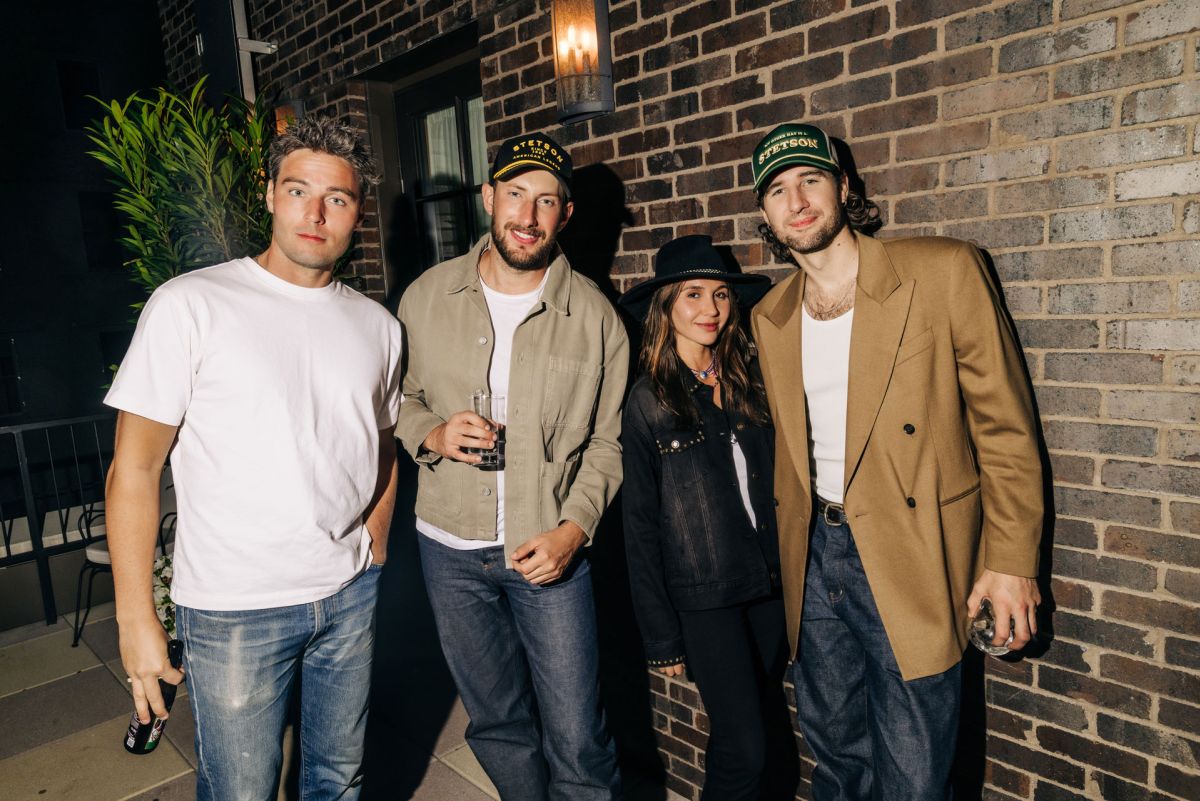
Go inside our book-launch parties in New York, Austin, Berlin, and Tokyo

Man of
Many Hats

It was summer 1862. Storms were brewing over the Colorado Rockies. And when the rain hit, John B. Season and his colleagues went scrambling for shelter…

FROM THE WEST TO THE WORLD

A Timeline of 160 Years of Legendary Quality,
Innovation, and Culture

tl25_A_01

May 5, 1830

John Batterson Stetson is born in East Orange, New Jersey, the seventh of twelve children. His father, Stephen Stetson, is a successful hatmaker and the founder of the No Name Hat Company, which was said to have made hats for George Washington.

tl25_A_02

1850s

Stetson is diagnosed with tuberculosis. In hopes of defying his diagnosis, John heads west for drier air and new opportunities. He settles first In Missouri, where he rises through the ranks of a local brickyard to eventually become owner.

tl25_A_03

1862

After a river flood wipes out the factory and his fortune, Stetson tries to enlist in the Civil War but is not accepted because of his illness. Instead, he joins a party of prospectors on their way to search for gold in Pikes Peak, Colorado. Noticing the inferior hats the other prospectors wear, he draws on his hat-making training to fashion a fur-felt hat that could withstand the fickle local weather. The hat catches the eye of a passing bullwhacker, who buys it for a five-dollar gold piece—the first Stetson ever sold.

tl25_A_04

1865

His health returned, Stetson heads east and officially founds the John B. Stetson Hat Company in a one-room workshop at 7th and Callowhill Streets in Philadelphia. He chooses as his first day in business January 17th, 1865—the 159th birthday of Benjamin Franklin, one of the city’s most iconic figures.

tl25_A_05

Late 1860s

Stetson introduces the Boss of the Plains. It was his first-ever original design—and an innovation in product naming as well. In another original strategy, Stetson sends a Boss to every hat and clothing retailer in the West with a letter asking for an order of a dozen more. The “cowboy hat,” as it became known, soon becomes an essential part of a cowman’s daily outfit, and the inextricable symbol of the American West that it remains today.

tl25_A_06

1870

Buoyed by the Boss’s success and that of several new men’s hat designs, Stetson moves his company from the one-room workshop into a three-story building one block from Independence Hall, Philadelphia’s central landmark.

tl25_A_07

tl25_B_01

1872

Stetson begins producing seasonal catalogs to promote his burgeoning line of “dress hats” for city dwellers. Thanks to this, dress styles soon overtake the cowboy hat as the driving force of the Stetson business.

tl25_B_02

1876

The Centennial International Exhibition, which used the occasion of America’s centenary to host the country’s first world’s fair, is held in Philadelphia. Countries from all over the world are invited to participate. Stetson hats received both notice and awards at this exhibition, as well as at future world’s fairs such as the Paris Expositions of 1879, 1889, and 1900, the New Orleans Exposition of 1898, and the National Association of Manufacturers’ exhibition in Caracas, Venezuela.

tl25_B_03

1877

In a signal of larger industry recognition, Stetson receives his first international orders from England and Japan.

tl25_B_04

1883

William “Buffalo Bill” Cody starts “Buffalo Bill’s Wild West,” a Western-themed touring revue. Many of the show’s most popular entertainers, including Calamity Jane, Annie Oakley, and Buffalo Bill himself perform in Stetsons, introducing the brand to the show’s international audience.

tl25_B_05

1887

Stetson opens a hospital and a lending library for workers on the factory’s Philadelphia campus, as well as a nondenominational church that is also open to the wider community. Other progressive benefits provided by Stetson to his work force include a building and loan association, Christmas bonuses, and a savings funds for employees. Stetson is the first hat company to provide vacations with pay for all employees, to set up a life insurance plan, provide sickness and accident benefits, and to have a pension plan.

tl25_B_06

1889

DeLand Academy in Florida, which Stetson has generously donated to, is renamed Stetson University in 1900. Stetson University founds the first law school in Florida: The Stetson University College of Law.

tl25_B_07

tl25_C_01

1900

Stetson receives the grand prize at the 1900 Paris Exposition. “The products displayed are from every point of view absolutely remarkable, but very especially the manufacture of soft hats, which is incontestably the acme of perfection of this century,” stated the official report of the judges.

tl25_C_02

1901

A Stetson flung into Arizona’s Fossil Creek two decades earlier by Stetson’s son, John B. Jr., is discovered. The preserved hat has been transformed into a 40-pound chunk of limestone, still in the unmistakable shape of a Stetson. It is later exhibited in New York City’s Museum of Natural History.

tl25_C_03

1906

John B. Stetson dies of a brain aneurysm at the age of 76 in Florida. He is taken to the chapel he had built at the Stetson factory. The body lays in state for a single morning, during which time more than 3,000 people come to pay their respects. By the time of his death, Stetson has distinguished himself as a philanthropist by giving away much of his self-made fortune. He donated to causes that included efforts to combat homelessness, improve education, and was a founder of the Philadelphia YMCA. J. Howell Cummings, who had been Stetson’s right-hand man, takes over as president of the Stetson company.

tl25_C_04

1909

Hollywood’s first cowboy movie star, Tom Mix, launches his movie career. Mix would go on to perform in nearly 300 films in the 1910s and ’20s, including 160 cowboy films. The Stetson becomes an inextricable part of his cowboy image, and Mix becomes an unofficial brand ambassador so closely associated with Stetson hats that Stetson names a hat after the actor. Other stars follow Mix’s lead, and by the 1930s, actors and entertainers such as Douglas Fairbanks, Gene Autry, and the cowboy couple Roy Rogers and Dale Evans became some of the most visible Stetson fans in the country.

tl25_C_05

1912

The hull of the battleship Maine, which was sunk in Havana Harbor in 1898, is raised. Among the artifacts found inside is a Stetson hat. Still intact after being submerged for fourteen years, the hat is renovated and restored to its former glory.

tl25_C_06

tl25_D_01

1916

Will Rogers wears a Stetson hat in his performances of The Ziegfeld Follies. He continues wearing Stetsons throughout the run, into the 1920s.

tl25_D_02

1919

The first edition of “The Hat Box,” a Stetson company newsletter, is published. The publication’s mission statement is “to make us more familiar with one another’s aims and activities, and with the various features of our great organization.” Employees act as reporters, and topics are wide ranging, including lifestyle, business, poetry, and comics, and reflect the company’s progressive vision. An article from the June 1920 edition, for example, covers the participation of more than five hundred girls in the Stetson Athletic Association.

tl25_D_03

1922

The artist Lon Megargee, a plein air painter who specializes in the desert landscapes of the Southwest, paints The Last Drop from His Stetson, a moving, human depiction of a cowboy giving his horse a drink of water from his upturned Stetson. The painting achieves national renown, and the following year, the Stetson company commissions the painting for use in its advertising. The image has been in use in Stetson hat liners ever since, and to this day is a defining image of the brand.

tl25_D_04

1930

Stetson acquires a substantial interest in the Wolthausen Hat Corporation in Brockville, Ontario—the first time Stetson hats have been produced outside of Philadelphia. Foreign branches were soon opened in countries such as Mexico and Australia. 

tl25_D_05

1932

Stetson begins producing hats for women, including berets, pillbox hats, tricornes, and cloches.

tl25_D_06

1937

The first Open Road is introduced. The hat’s lower profile—with an open crown and shorter, town-friendly brim—made it appealing to cowboys and city dwellers alike. By 1948, it had evolved from an open crown to a cattleman crease and boasted a grosgrain ribbon and the now iconic turned up brim. 

1940

As commercial air travel begins to take off, Stetson introduces a new lightweight hat suited for travelers. It is called the Stratoliner, named after the Boeing aircraft that ushered in the era of commercial air travel.

tl25_E_01

World War II

Stetson sends its millinery department to New York, where they begin producing goods for the war effort. They make 20,000 army campaign hats, as well as goods for the army, navy, air corps, and (Women’s Army Corps) such as parachutes, harnesses, and (under the guidance of a Stetson Women’s division) hats for the WAC. 

tl25_E_02

1940s

Stetson is achieving such renown that its advertisements feature the top stars of the day, such as Bing Crosby, Bob Hope, Douglas Fairbanks Jr., Ray Milland, Robert Young, George Montgomery in LIFE, The Saturday Evening Post, Esquire, Harper’s Bazaar, Time, and Look.

tl25_E_03

1944

The most successful line of ladies’ hats were created and called Freedom Fashions. Stetson collaborated with Hollywood stars Dorothy Lamour, Carole Landis, and Susan Hayward.

tl25_E_04

1954

The world’s most labor intensive and most expensive western Stetson hat is created. Forty-three workers spent a year assembling this hat; it cost $1,500. It was made of beaver felt and trimmed with a sterling silver band in the shape of a double rope strand. A solid-gold longhorn steer head was added for ornamentation. The hat tours Australia, Colombia, Germany, Mexico, New Zealand, and Japan.

tl25_E_05

1955

Looking to expand the company’s offerings as trends shift away from hat wearing, Stetson invests in licenses for shirts, neckties, pajamas, and shoes.

tl25_E_06

1962

Alan Young stars as a young John B. Stetson on the television program Death Valley Days in an episode titled “The Hat that Won the West.” In 1963, this episode wins the Western Heritage Award for the Best Factual Television Program.

tl25_F_01

1964

Stetson launches the “L.B.J. Look,” a campaign featuring the president’s signature, the Open Road. This campaign receives the approval and promotion of the president himself and is immensely successful.

tl25_F_02

1965

The John B. Stetson Company celebrates its centennial. The company’s president, David H. Harshaw, puts out a commemorative book on the company’s history. “In the sense that these ten decades have been the nation’s maturing years, it is possible, I think, to say without exaggeration, that America grew up under a Stetson,” he writes in the foreword. The book is dedicated to all of those that have worked at the Stetson factory over the years. 

tl25_F_03

1977

Stetson moves its manufacturing operations from Philadelphia to St. Joseph, Missouri. In keeping with the Stetson tradition of civic responsibility, the company donates the land the factory sat on to the city.

tl25_F_04

1980

Stetson makes a comeback on the big screen, with the release of Urban Cowboy (1980), setting off a revival of all things “country” including the hat the film’s star John Travolta wears. 

tl25_F_05

1981

Stetson for Men, the company’s first fragrance, is launched. The fragrance is an enormous and enduring success for the brand, later attracting ambassadors such as Matthew McConaughey (2004) and Tom Brady (2007). Five years later, Lady Stetson, the company’s first fragrance for women, is launched. 

tl25_F_06

1981

Stetson debuts a Western-themed float in the Macy’s Thanksgiving Day Parade. The “Stetson is America” float features a scene from a Western town and a gang of hoedown dancers who perform along the parade route. 

1982

Stetson Eyewear is launched.

tl25_F_08

1986

Stetson manufacturing moves to Garland, Texas, where it remains today. Many of the company’s machines, the oldest of which date back to the 1890s, move there as well.

2000s

The Stetson Diamante 1000X makes its debut. Priced at $5,000—it now sells for $5,600—the Diamante is the crown jewel in the Stetson catalog, crafted from 1000X quality pure beaver felt, and featuring a 14k buckle set inlaid with 26 diamonds.

tl25_G_01

2004

Stetson introduces its first leather saddle, the Stetson Wade Rancher. The design features intricate floral tooling, a natural rawhide covered cantle, and a rawhide tipped horn.

tl25_G_02

2008

The Skyline debuts and quickly becomes Stetson’s best-selling hat, which it remains to this day. Crafted from 6X quality felt, the Skyline is available in multiple profiles and colors, including Sahara.

tl25_G_03

2010

Stetson works with Albertus Swanepoel, a high-fashion milliner to create a small fashion hat line that is a commercial and critical success. Stetson also collaborates with CFDA-award winner Billy Reid.

tl25_G_04

2011

Stetson launches belts, wallets, and home textiles. For the belt collection, the company commissions three silversmiths to create custom designs for the belt buckles, inspired by the brand’s heritage in the American West. 

tl25_G_05

2012

John B. Stetson Bourbon is launched, along with a special edition Colt .45 revolver Stetson, produced with America Remembers, an organization dedicated to preserving the legacy of notable Americans and moments in American history. Three years later, America Remembers again collaborates with Stetson on a rifle as a tribute to the company’s 150th anniversary. 

tl25_G_06

2013

Film star Tony Curtis dies and is buried surrounded by objects he loved, including his treasured Stetson hat.

tl25_G_07

2015

Stetson collaborates with the artist and vintage hat collector Tasya Van Ree on a collection, inspired by the first Stetson hat she bought in a Los Angeles thrift store.

tl25_G_08

2019

Stetson partners with the luxury automaker Bentley and releases the Stetson Bentley Bentayga Special Edition, a luxury SUV that includes design features inspired by the hat maker. The color options are taken from iconic Stetson hats, including the Boss of the Plains, Open Road, and 100X El Presidente. 

tl25_H_01

2022

Four decades after the debut of Stetson’s first fragrance, Stetson debuts the new face of its fragrance line: Luke Grimes of Yellowstone. The campaign is shot on location at Diamond Cross Ranch in Jackson Hole, Wyoming.

tl25_H_02

2023

To celebrate the centennial of The Last Drop from His Stetson, Stetson releases a 100X quality cowboy hat available in a limited run of one hundred, packaged in a custom collectible box, and also commissions three original artworks inspired by Megargee’s original work, by noted artists Logan Maxwell Hagege, Thomas Blackshear, and Bella McGoldrick. 8×10 prints of the new works, along with the original, are included with the purchase of every 100th Anniversary Edition hat. 

tl25_H_03

2023

Stetson launches its Upcycle Collection, a collection of ten revived classic Stetson hats. Working with craftsman Ben Fife, owner of Westward Leather Company in Spokane, Washington, the team restored the vintage hats and updated them with some contemporary flourishes.

tl25_H_04

2024

Beyoncé wears a Stetson on the cover of her album Cowboy Carter and uses it as a centerpiece of her cowboy-style debut at that year’s Grammy Awards. Later in the year, Stetson releases a trucker-hat collaboration with Post Malone timed with the debut of the singer’s album, F-1 Trillion. The collaboration includes four limited-edition hats. Fall marks the launch of Stetson x Ricky Regal, a collaboration with iconic singer Bruno Mars and his lifestyle brand, and a collaboration with Yohji Yamamoto’s Y’s label, with a reimagining of a Stetson icon, The Whippet. 

tl25_H_05

2025

The brand introduces Stetson: American Icon, from which this timeline is adapted. Spanning 160 years and 320 pages, the book is a celebration of the brand’s heritage and wide-ranging impact, with contributions from historians, celebrities, and other leading cultural figures.

SHOP NOW

tl25_h_06b